By Anna Dwinger
“We started with a kitchen that was literally falling apart and created a functioning kitchen with better storage that is also beautiful, using walnut cabinetry and gold hardware accents.”
The Project
Sometimes a kitchen remodel starts with wanting a fresh new look.
Other times, it starts because the kitchen simply isn’t functioning anymore.
For one Fullerton family, it was definitely the latter.
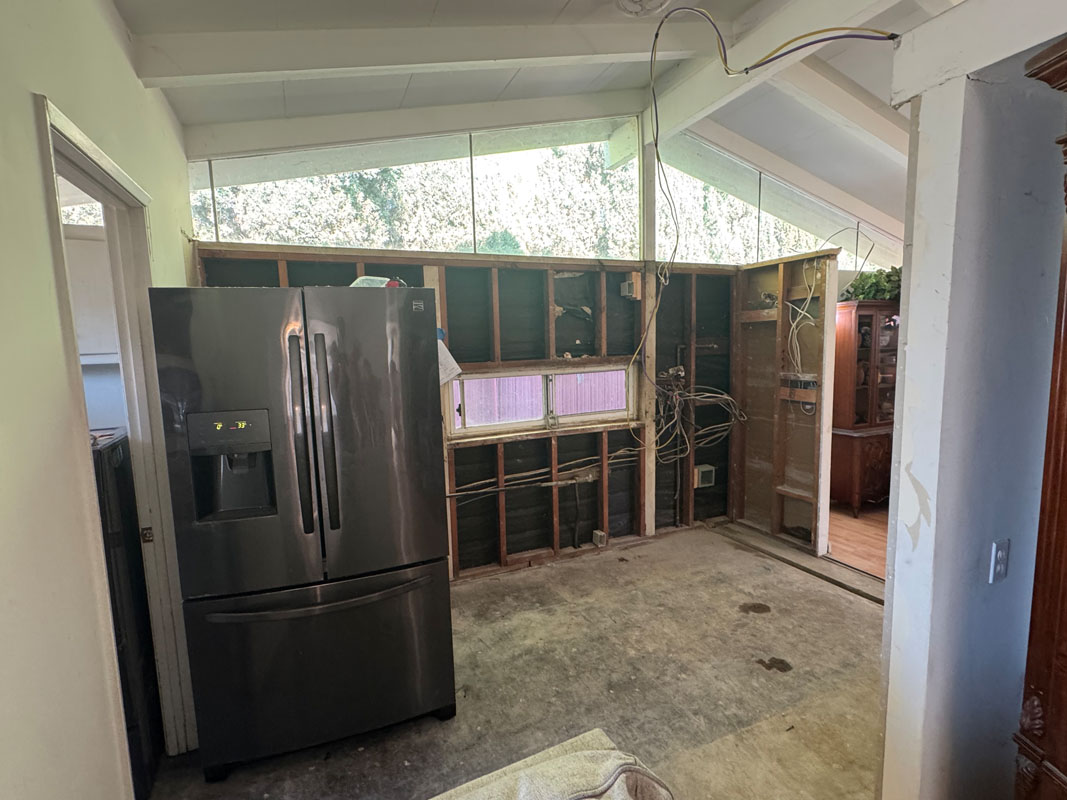
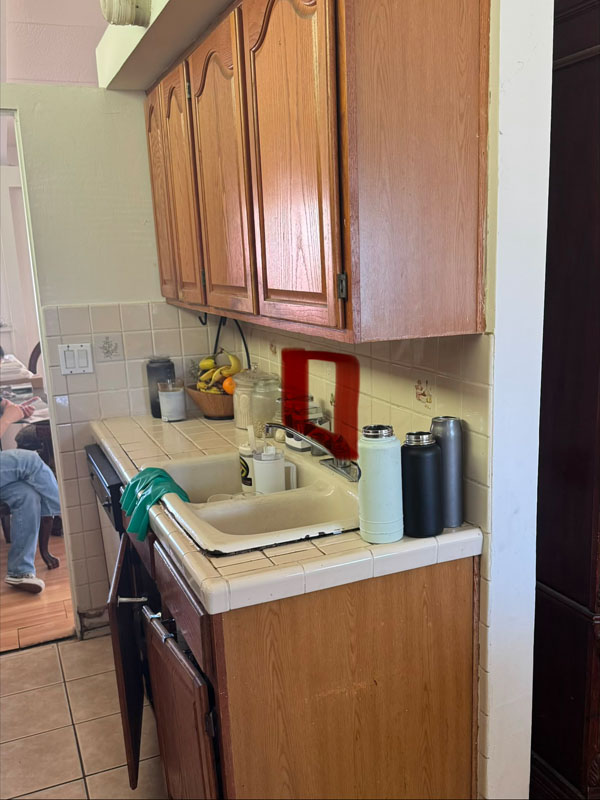
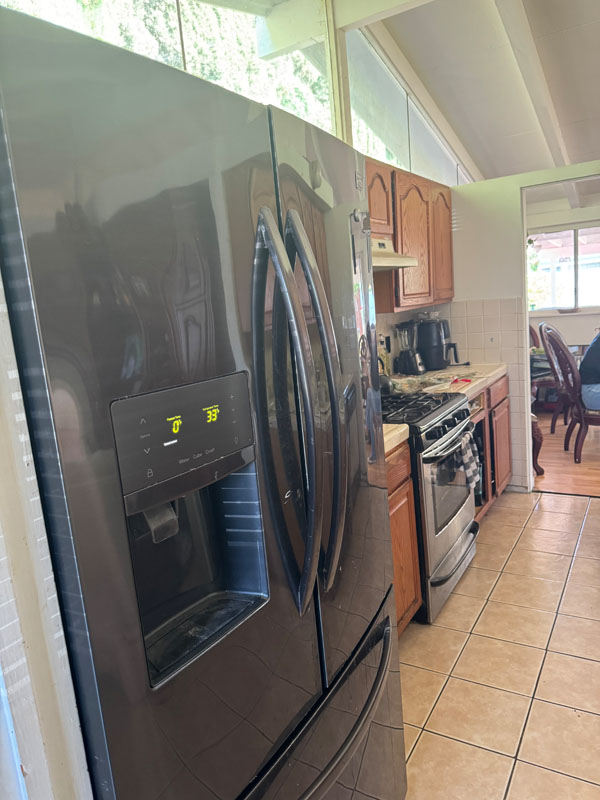
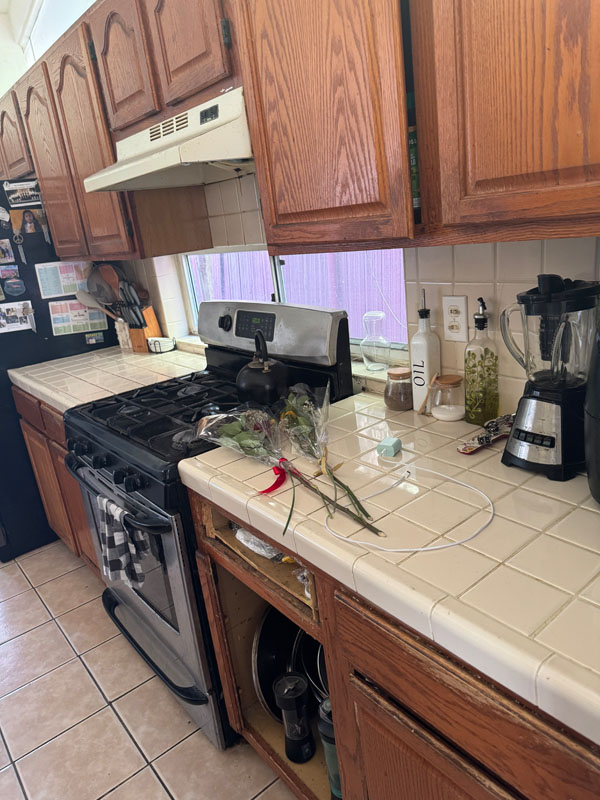
Doors were falling off the cabinets. Drawer fronts were missing. Shelves were sagging. Storage was limited. And while the kitchen had served the family for years, it had reached the point where repairs were no longer enough.
That’s when BTN Member Anna Dwinger of Anna Dwinger Interiors LLC stepped in.
Her goal was to take a kitchen that was literally falling apart and transform it into a space that was functional, organized, beautiful, and true to the mid-century modern character of the home.
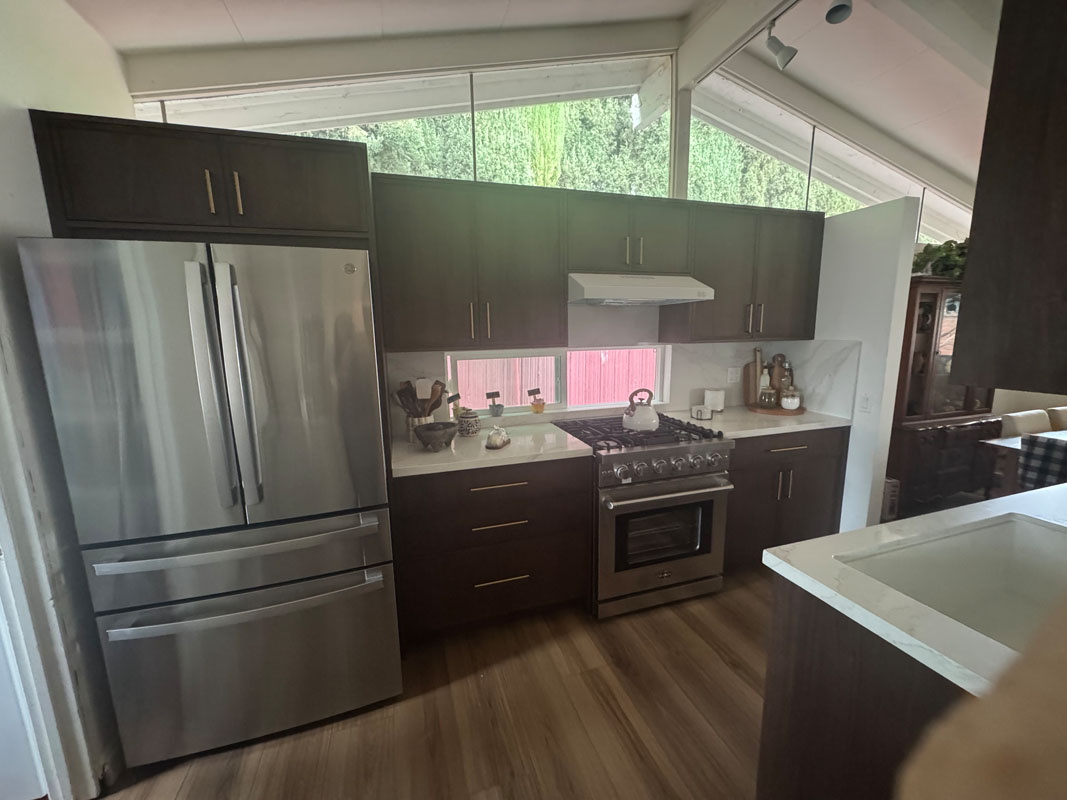
The result? Rich walnut cabinetry, elegant gold accents, dramatically improved storage, better lighting, new flooring, and a kitchen that finally feels like it belongs in the home.
Starting With Function
Before choosing colors, finishes, or hardware, Anna looked closely at how the homeowners actually used their kitchen.
The existing cabinetry wasn’t just outdated—it was failing.
Cabinet doors were coming off, drawer fronts were missing, and shelving had begun to sag. Storage was another frustration, so Anna used the remodel as an opportunity to rethink how the kitchen could function better every day.
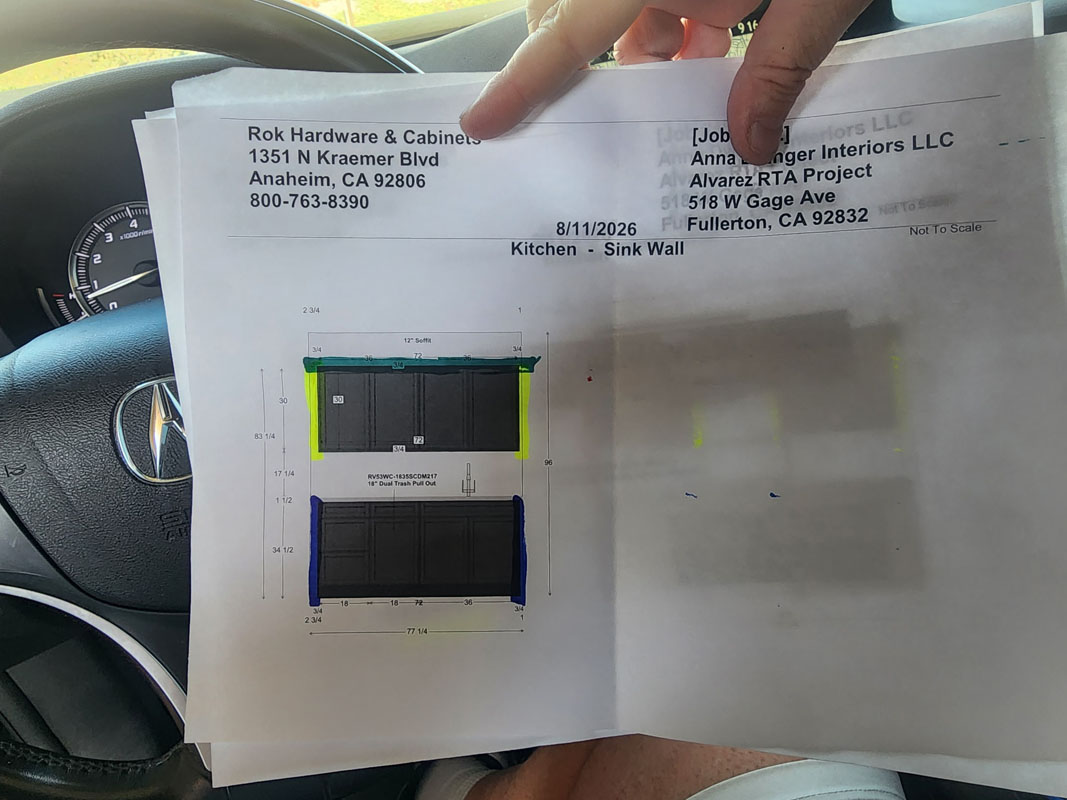
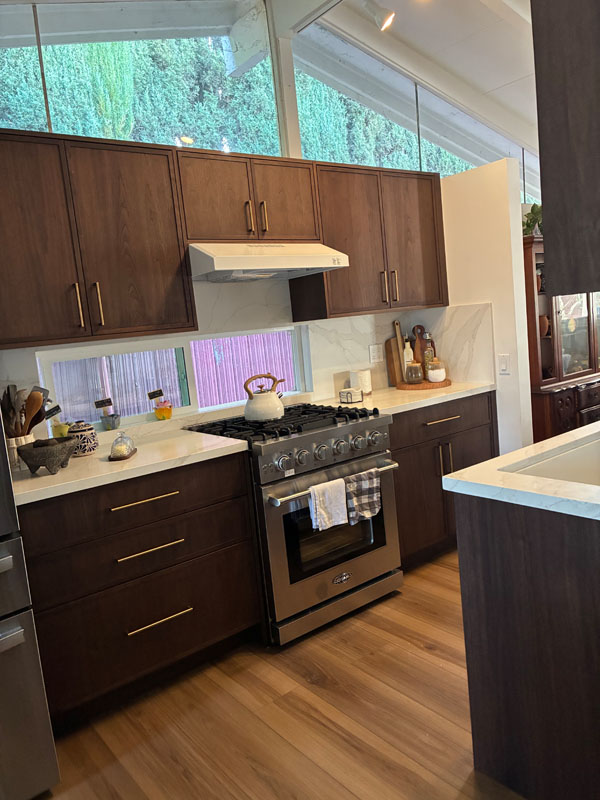
She incorporated thoughtful solutions including a dedicated pull-out cabinet for the trash bin and larger drawers near the range specifically for pots and pans.
Small changes like these may not always be the first thing you notice in a finished kitchen, but they can completely change the way a space works.
Good design isn’t only about what looks beautiful. It’s about making everyday life easier.
Creating the Mid-Century Modern Look
The homeowners knew they wanted the new kitchen to complement the architectural style of their home.
Their inspiration leaned toward mid-century modern, and they quickly fell in love with a custom walnut cabinet door.
There was only one problem.
The custom cabinetry came with a price tag that pushed the project beyond their budget.
Instead of abandoning the look, Anna started searching for an alternative.
She found a Ready-to-Assemble, or RTA, cabinetry line that offered both the contemporary micro-shaker door profile they loved and a walnut finish that captured the feeling they were after.
The RTA walnut was slightly darker than the original custom cabinet inspiration, but once the homeowners saw it, they loved the richer tone.
It was the perfect example of how professional design guidance can help homeowners preserve the overall vision while making smarter decisions about where their money is spent.
Walnut, White Quartzite & Gold Details
For Anna, the cabinetry became one of the standout elements of the entire transformation.
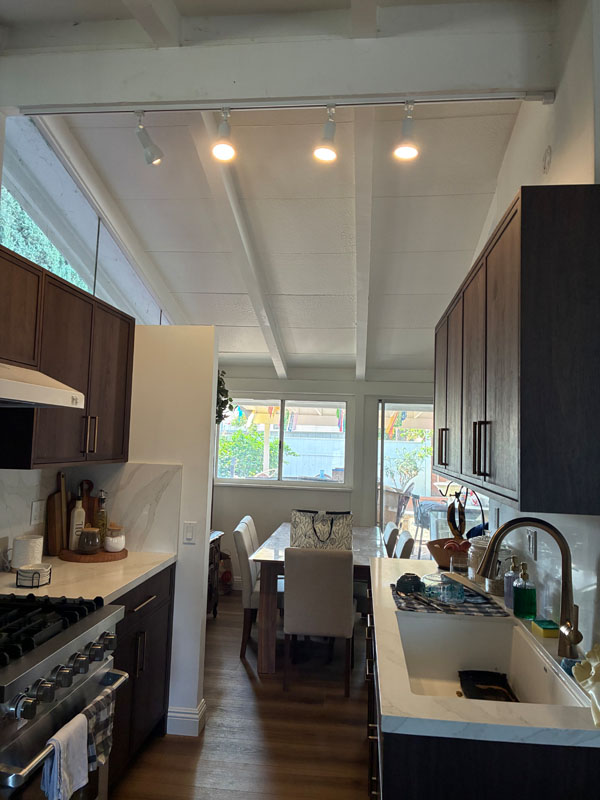
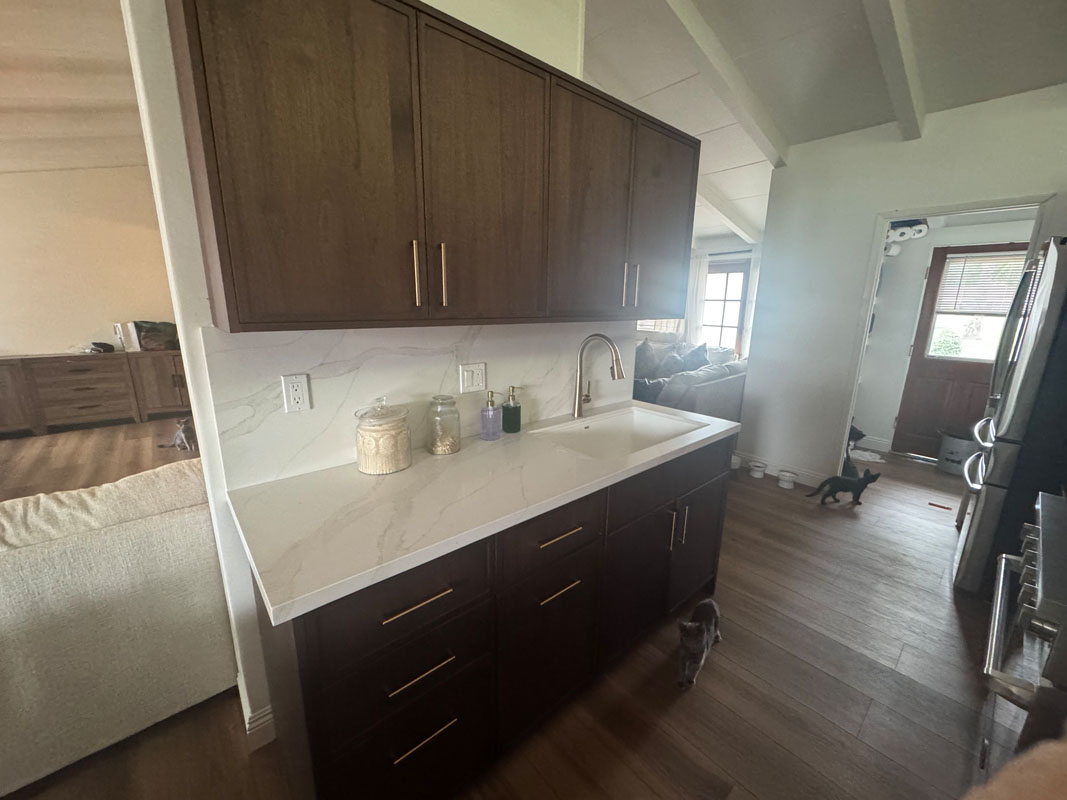
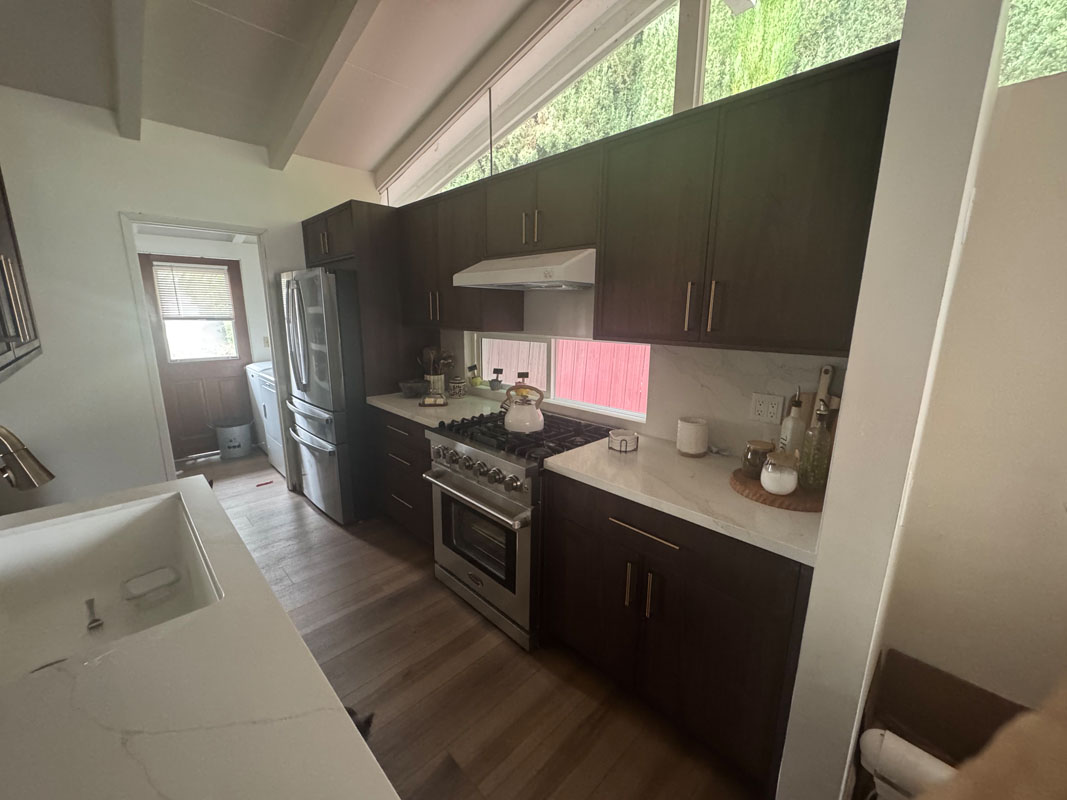
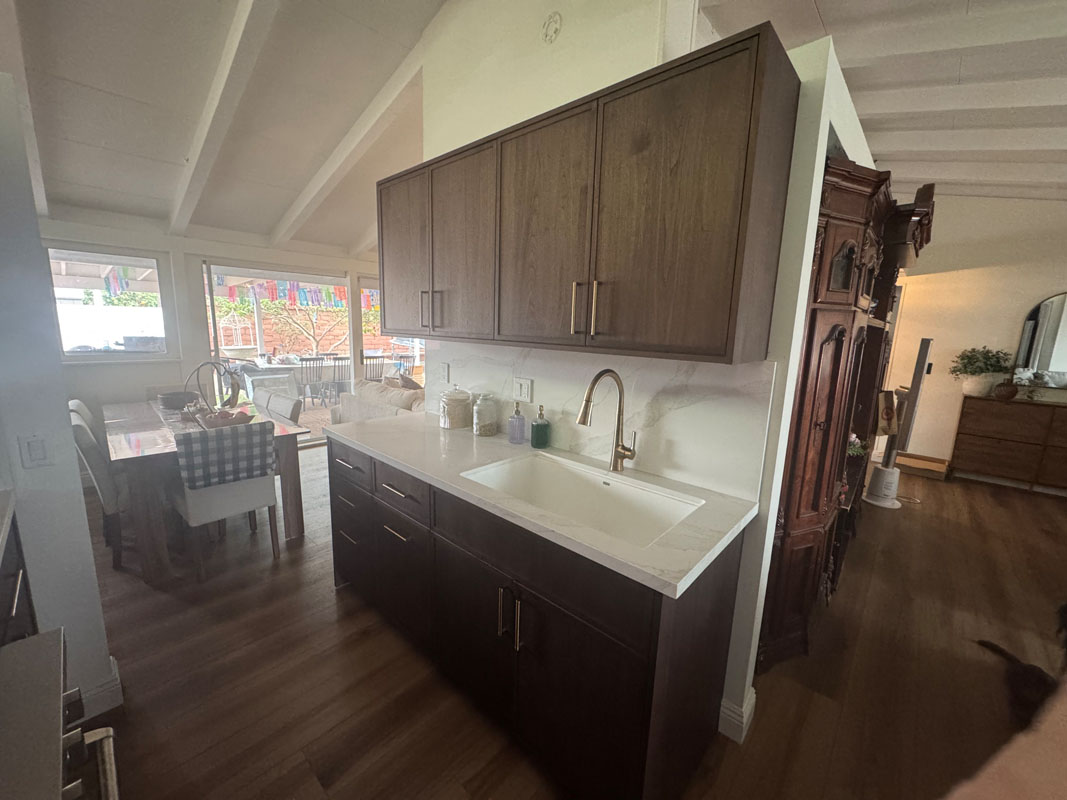
The deep walnut finish brings warmth and character to the room, while gold hardware accents give the cabinetry a polished, elevated feel without taking away from the clean mid-century aesthetic.
To balance the darker cabinetry, Anna selected a beautiful white quartzite with a marble-like appearance.
Rather than stopping at the countertop, the stone continues upward as a full-height backsplash, creating a seamless, dramatic backdrop against the walnut cabinetry.
The contrast is striking.
Warm wood.
Bright natural-looking stone.
Subtle gold accents.
Together, the finishes create a kitchen that feels modern and sophisticated while still respecting the era and personality of the home.
Let There Be Light
Lighting was another major opportunity for improvement.
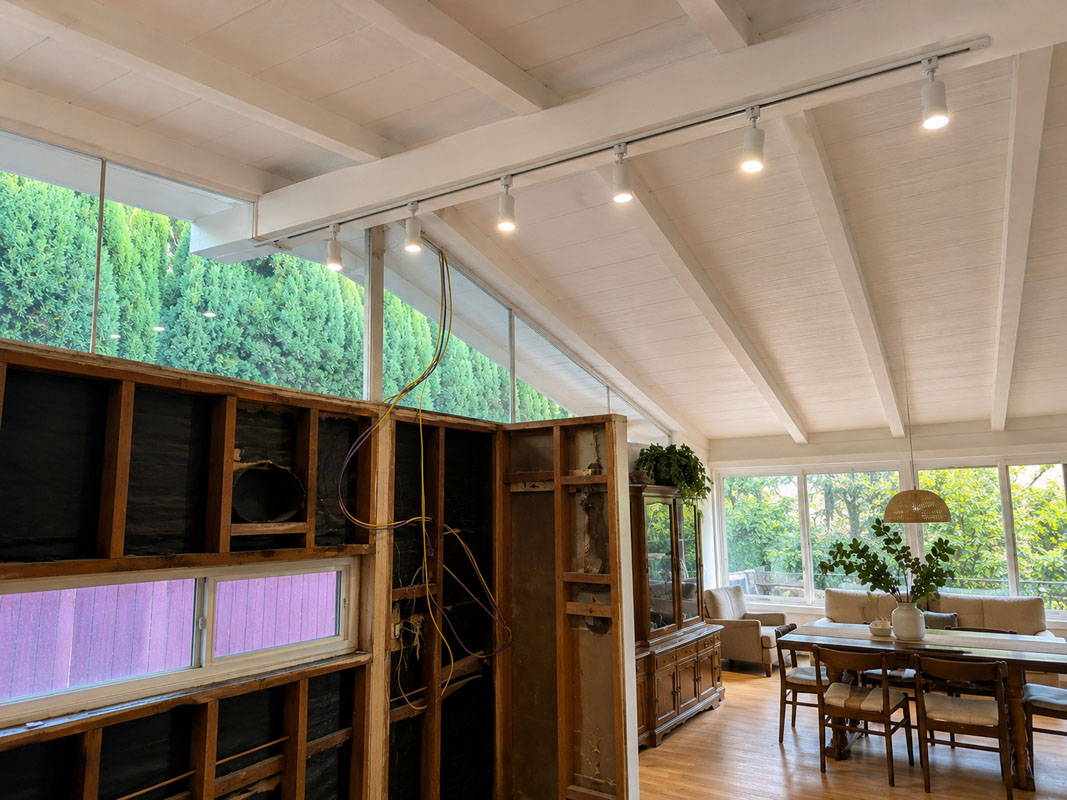
Before the remodel, the kitchen had only one light over the sink, relying heavily on natural light from the windows for everything else.
Anna added a track light with four adjustable fixtures, allowing the homeowners to direct light toward different work areas depending on what they’re doing.
It’s a relatively simple addition that makes a tremendous difference in the usability of the room.
Undercabinet lighting was also part of Anna’s wish list for the space, but it didn’t fit within the current budget.
Instead of forcing every upgrade into the project at once, the kitchen was designed so that undercabinet lighting can be added in the future.
That’s another important part of thoughtful remodeling: knowing what needs to happen now and what can easily become a future upgrade.
Extending the Transformation Beyond the Kitchen
The project didn’t stop at the cabinetry.
Anna also helped update other areas of the home so everything would feel more cohesive.
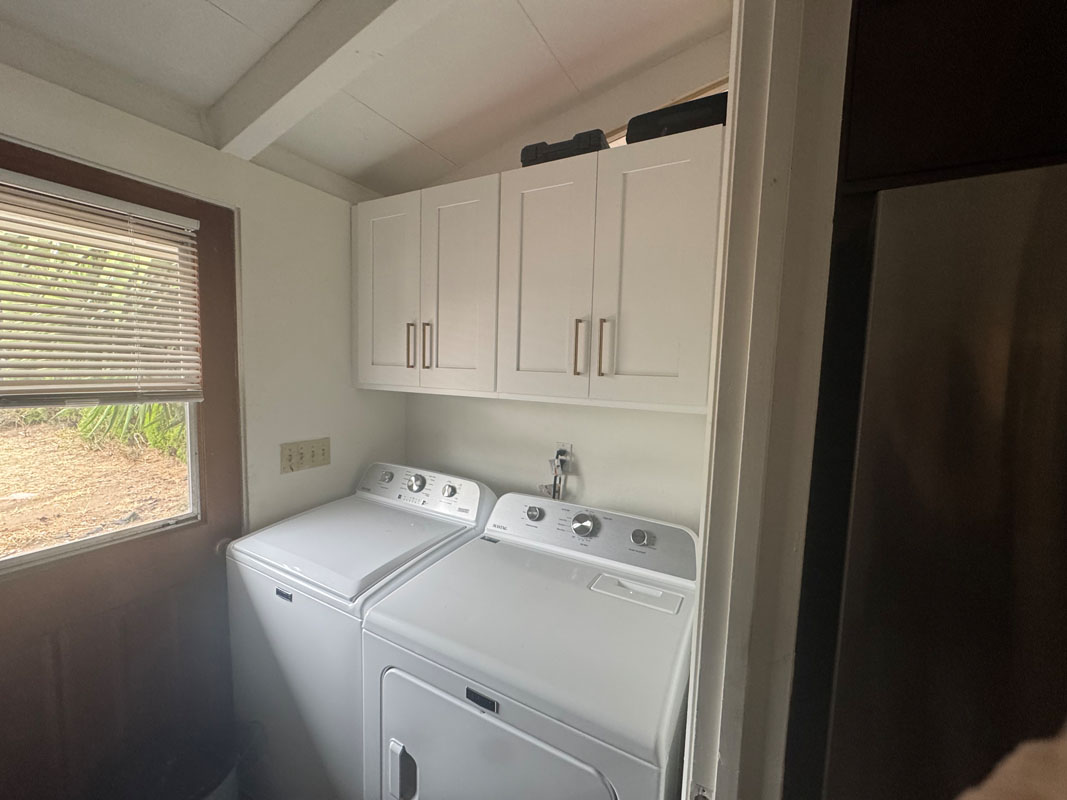
In the laundry room, the existing cabinetry was replaced with fresh white cabinets, giving the space a cleaner and more functional look.
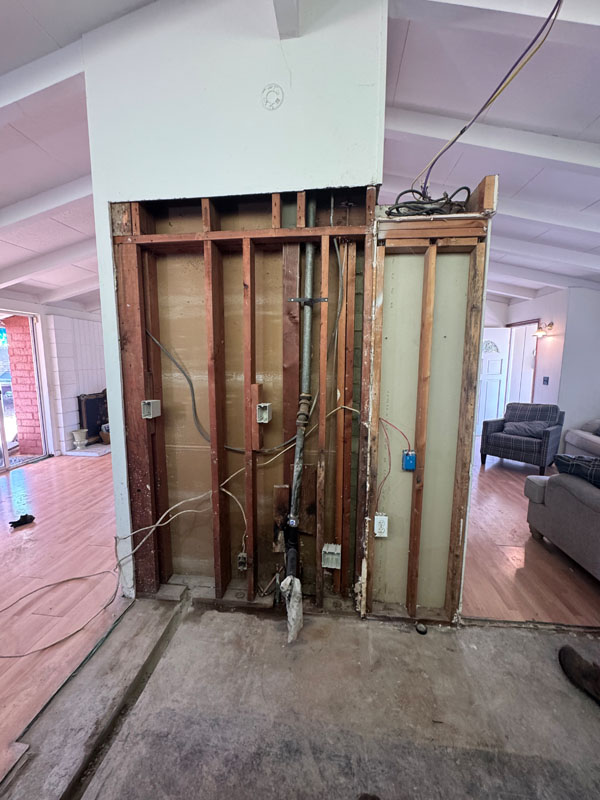
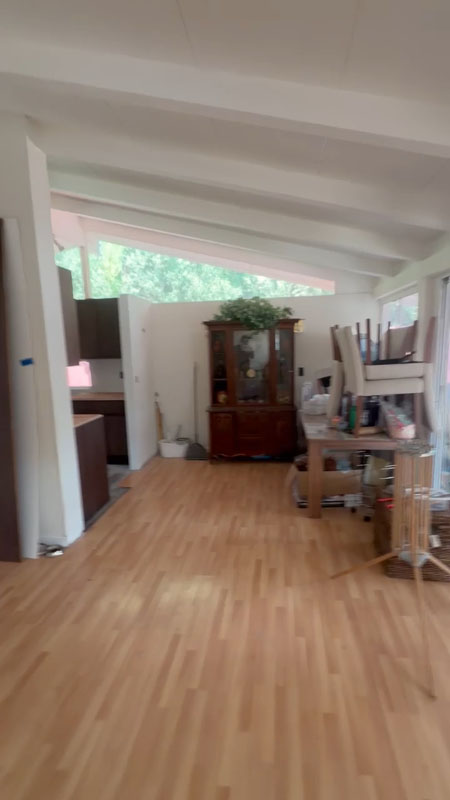
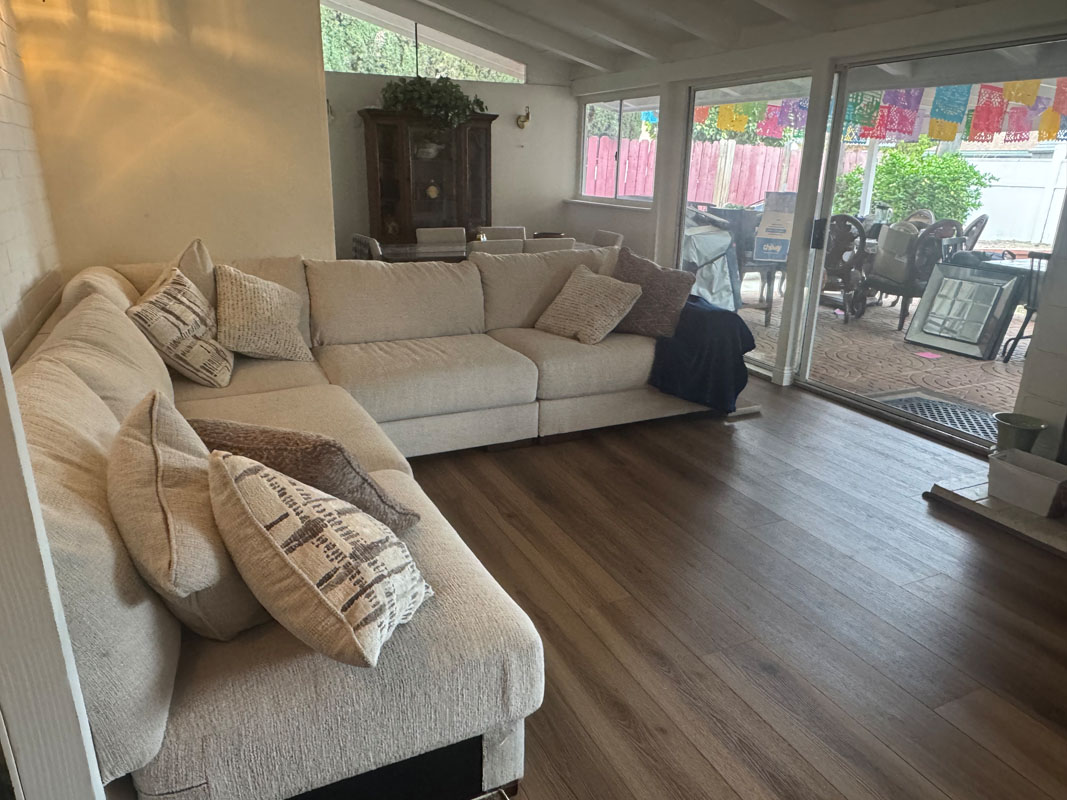
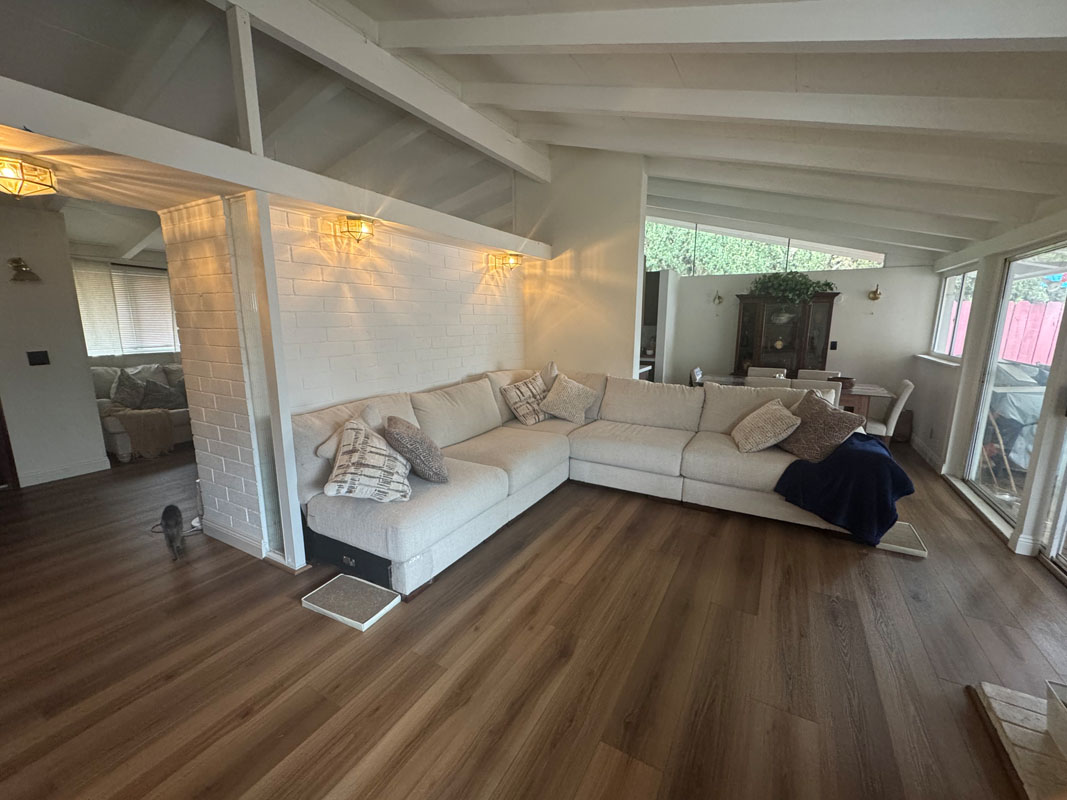
In the adjacent living area, Anna worked with the existing furniture rather than replacing everything. The homeowner already had a white sofa they wanted to keep, so the wall was modified to better accommodate the piece.
Anna also sourced new laminate flooring to replace the older laminate throughout the connected living spaces.
The new flooring complements the walnut cabinetry, helping visually connect the kitchen and living areas and making the entire space feel intentional.
This is another example of how an interior designer can look beyond an individual room and consider how each space works together as part of the larger home.
Trusted BTN Partners From the Beginning
Anna knew from the start that she wanted several trusted Building Trades Network members involved in the project.
For demolition, she called on L&R Construction.
Rhino Plumbing handled the plumbing needs.
And Blanusa Electrical took care of the electrical work, including the updated kitchen lighting.
These weren’t new working relationships. Anna had previously worked with each of these BTN professionals and knew firsthand how smoothly their projects could run together.
That existing trust proved valuable again.
Anna shared that communication is easier because of those established relationships. Scheduling is more collaborative, her BTN partners understand and respect her project management style, and everyone is comfortable sharing ideas when an unexpected challenge requires problem-solving.
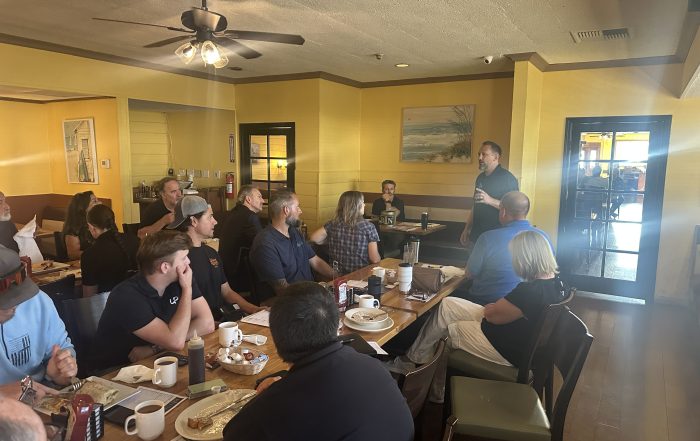
That kind of professional relationship is exactly what Building Trades Network is designed to create.
More Than Referrals
BTN collaboration isn’t simply about handing someone a business card or passing along a phone number.
It’s about knowing how another professional works.
It’s understanding their communication style.
It’s knowing that when you invite them onto your project, they will take care of your client with the same professionalism you expect from yourself.
When designers, contractors, plumbers, electricians, demolition professionals, and other trades already have established relationships, the client benefits too.
Communication becomes easier.
Solutions happen faster.
And everyone can stay focused on moving the project forward.
From Falling Apart to Beautifully Functional
Asked to describe the transformation in one sentence, Anna summed it up perfectly:
“We started with a kitchen that was literally falling apart and created a functioning kitchen with better storage that is also beautiful, using walnut cabinetry and gold hardware accents.”
That really is the heart of this project.
The transformation wasn’t about making something beautiful simply for the sake of aesthetics.
It was about giving this family a kitchen that works.
A place where doors stay on their hinges.
Where pots and pans have a proper home.
Where the trash is tucked away.
Where there is enough light to cook comfortably.
Where the finishes complement the character of the house.
And where the homeowners can walk into their kitchen and genuinely enjoy the space around them.
Through thoughtful design, smart sourcing, careful project management, and collaboration with trusted BTN professionals, Anna Dwinger Interiors LLC turned a failing kitchen into a warm, functional, mid-century modern space designed for the way this family lives today.
Beautiful design. Better function. Trusted collaboration.
That’s a transformation worth celebrating.